

East of Wall, written and directed by Kate Beecroft, is a beautiful and raw docufiction film about the spirit of living in the Badlands of South Dakota. It’s not just a journey into a remote part of America; it also brings light to mental illness within the Western community. The film tells the story of Tabatha Zimiga, a recent widow left with financial insecurity as she cares for a group of teenagers on her run-down ranch. This film tugs at your heartstrings as it takes you through a journey of dealing with grief and uncertainty, all with the power of family and horses.
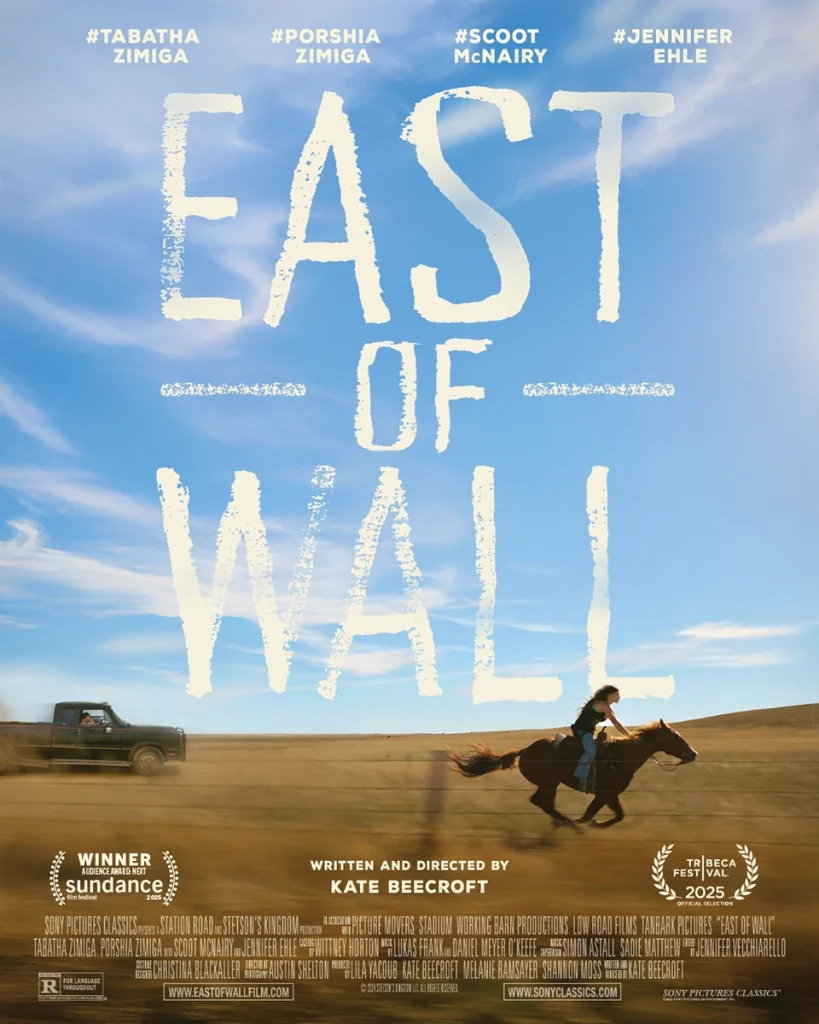
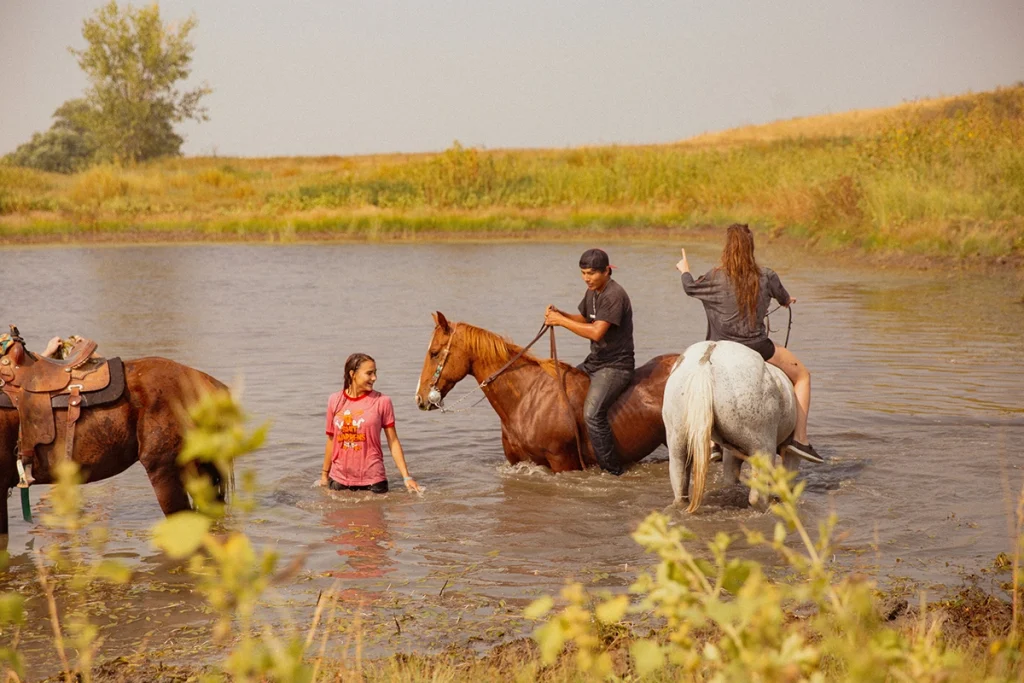
Five years in the making, East of Wall’s fictional story follows Tabatha’s life as she struggles to reconnect with her daughter, Porshia, after the death of her husband, while also taking care of several other teenagers who, for one reason or another, needed a soft place to land. To make ends meet, the crew trains and sells horses they rescue from kill pens; however, recently, it hasn’t been enough.
Out-of-towner Wes comes along with a hard-to-resist offer that threatens life as they know it and puts further strain on Porshia and Tabatha’s relationship. In the end, will family and determination win, or will the temptation of money reign supreme?
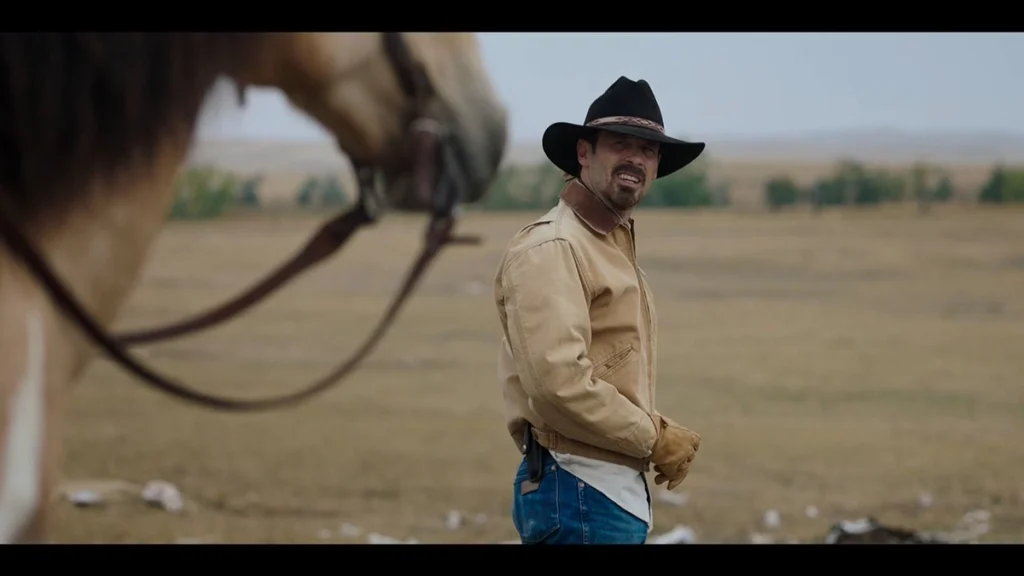
By relying on each other and facing their difficult pasts head-on, the family grows stronger as one and comes together to save the farm—inadvertently saving each other, and more horses, in the process.
“I’ve always been drawn to mid-America,” says director Kate Beecroft. “It’s always been a part of my life artistically.”
After going on a road trip with no real direction, Beecroft ended up finding Zimiga and her family. She stayed at their ranch for five days, learning about their way of life. Upon returning home to Los Angeles, Calif., Beecroft felt a calling to keep going back; she knew she had a story to tell.
Beecroft ended up living with Zimiga and her family for three years, writing, editing, and shooting the film. She wrote the script with the family’s help to make it as authentic as possible and to encompass what it means to live on a ranch. When it came to casting, while actors Jennifer Ehle and Scott McNairy have roles, it wasn’t even a question whether the original family would be in the film.
“For it to still be authentic, I needed it to be them,” says Beecroft.
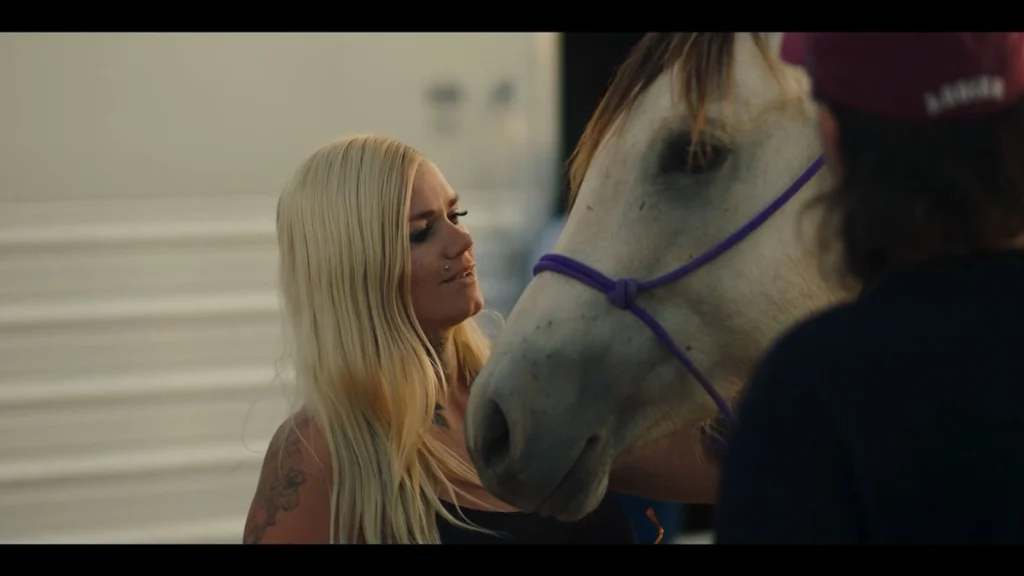
In that vein of authenticity, the horsemanship in the film is exceptional. Zimiga told Beecroft that “if you’re gonna make a horse movie, it better be right,” and that’s exactly what they did. Not only are the kids incredibly talented riders, but the training portrayed in the film is true to life.
“None of these were Hollywood horses,” says Beecroft. “These were not professional stunt horses. Tabby trained all of these horses herself.”
This is no small feat, as there are scenes that show horses rearing and even some bridleless riding. This authentic horsewoman helps add to the grit and emotion of the film.
Why this family and this story? Beecroft hopes to bring awareness to mental illness and high suicide rates that are present in Western communities, major themes in this film. Additionally, she wants to highlight talent found in unlikely places.
“There’s so much talent out there, and maybe they don’t live in Los Angeles,” says Beecroft. “Their stories are worth telling and Hollywood needs to take chances and tell their story.”
East of Wall has already made waves among viewers, recently winning the NEXT Audience Award at the Sundance Film Festival. This gritty and inspiring film will not disappoint as it takes you through a journey of grief, growth, and resilience—perfectly capturing the most beautiful and painful parts of the Western lifestyle.
This article about East of Wall appeared in the August 2025 issue of Western Life Today magazine. Click here to subscribe!