Imagine two days of total immersion in Native American art, on 400-year-old streets lined with booths manned by hundreds of sculptors, weavers, painters and jewelers. That is the experience of attending the Santa Fe Indian Market, held the third weekend in August in the heart of Santa Fe, N.M.
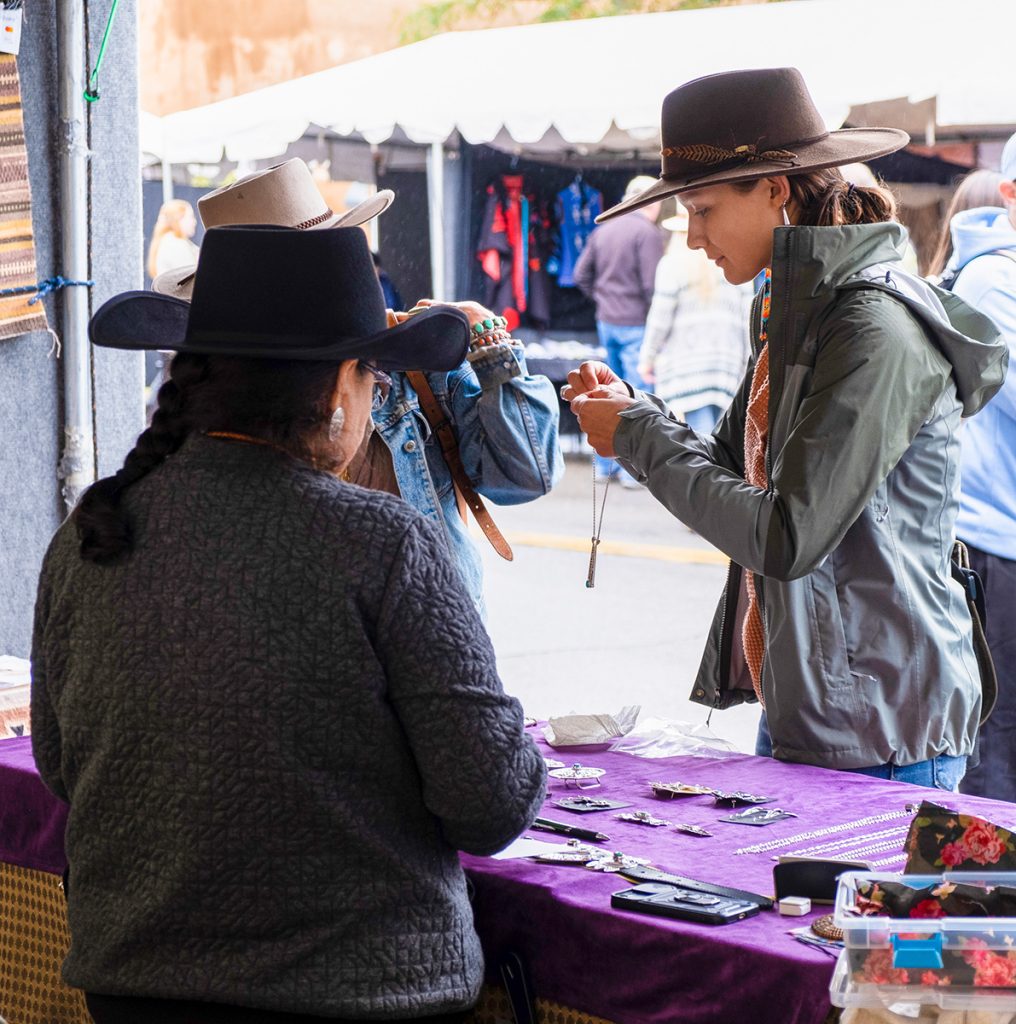
Attended by more than 100,000 visitors each year, the Santa Fe Indian Market first began in 1922 as the Southwest Indian Art Fair and Industrial Arts and Crafts Exposition. Founded by the Museum of New Mexico, it was originally created to preserve and promote Native art. Today, it is the largest juried Native art show in the world.
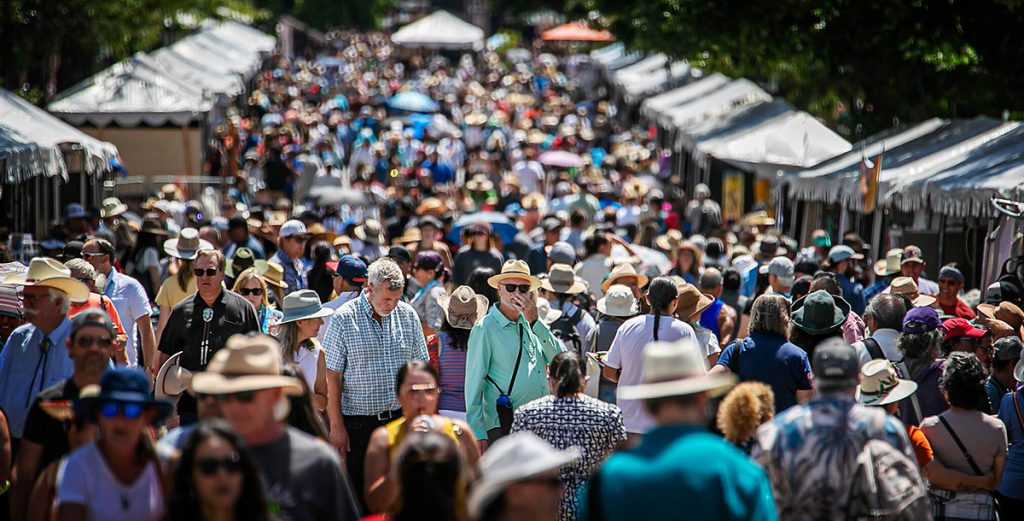
The Impact of the Santa Fe Indian Market
Managed by the Southwestern Association for Indian Arts (SWAIA), the weekend market is now an artist-led event, allowing visitors to purchase works directly from the artists. This helps to ensure economic empowerment and creative autonomy for Native artists around North America.
“The organization’s mission is to bring Native arts to the world by inspiring artistic excellence, fostering education and creating meaningful partnerships,” says Jamie Schulze, executive director of the SWAIA. “The Santa Fe Indian Market is the SWAIA’s flagship event.”
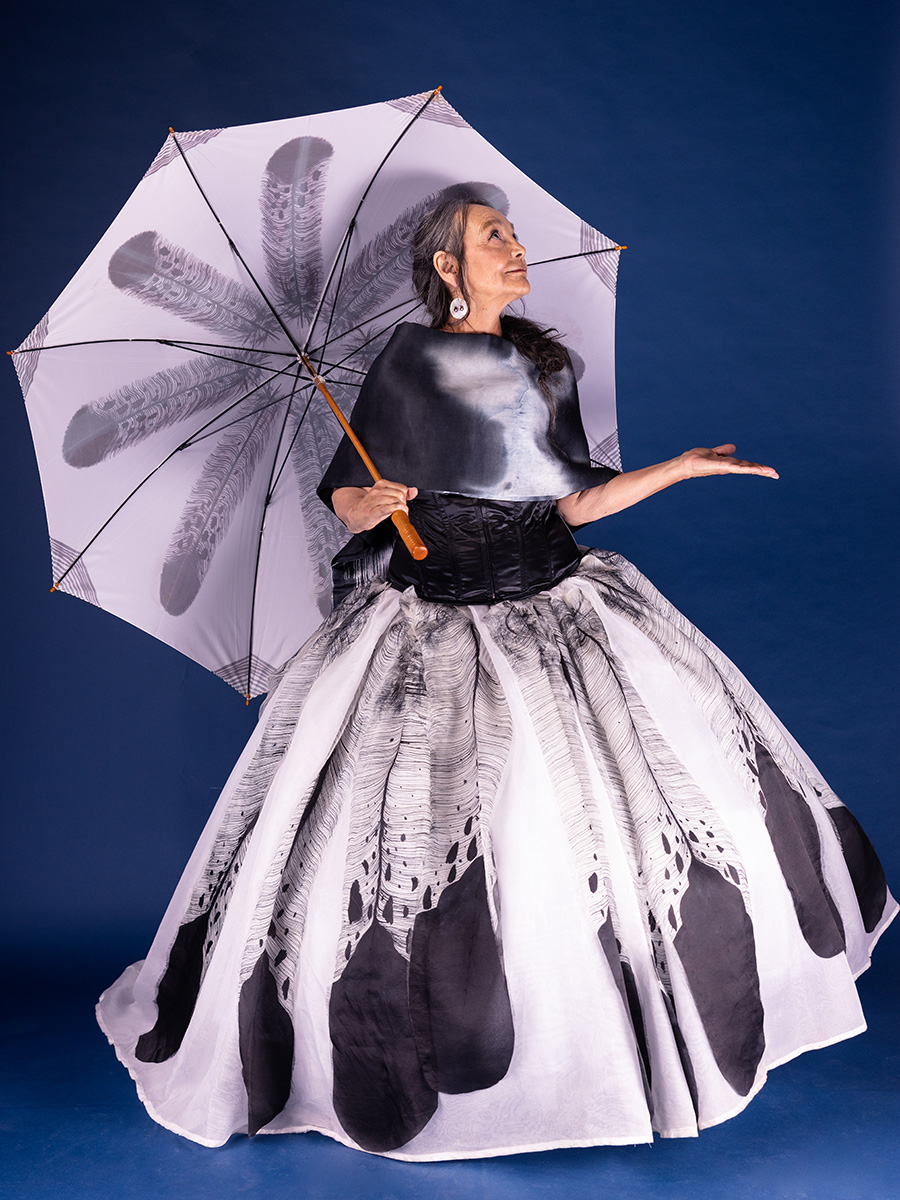
Native New Mexico sculptor Upton Ethelbah Jr., who goes by Greyshoes and is of the Santa Clara Pueblo and White Mountain Apache, has been exhibiting at the market since 1999.
“The Santa Fe Indian Market is the biggest and best Native art show in the world, and participation in this show, in this venue, in the heart of Indian Country, represents a milestone in the career of an artist,” he says.
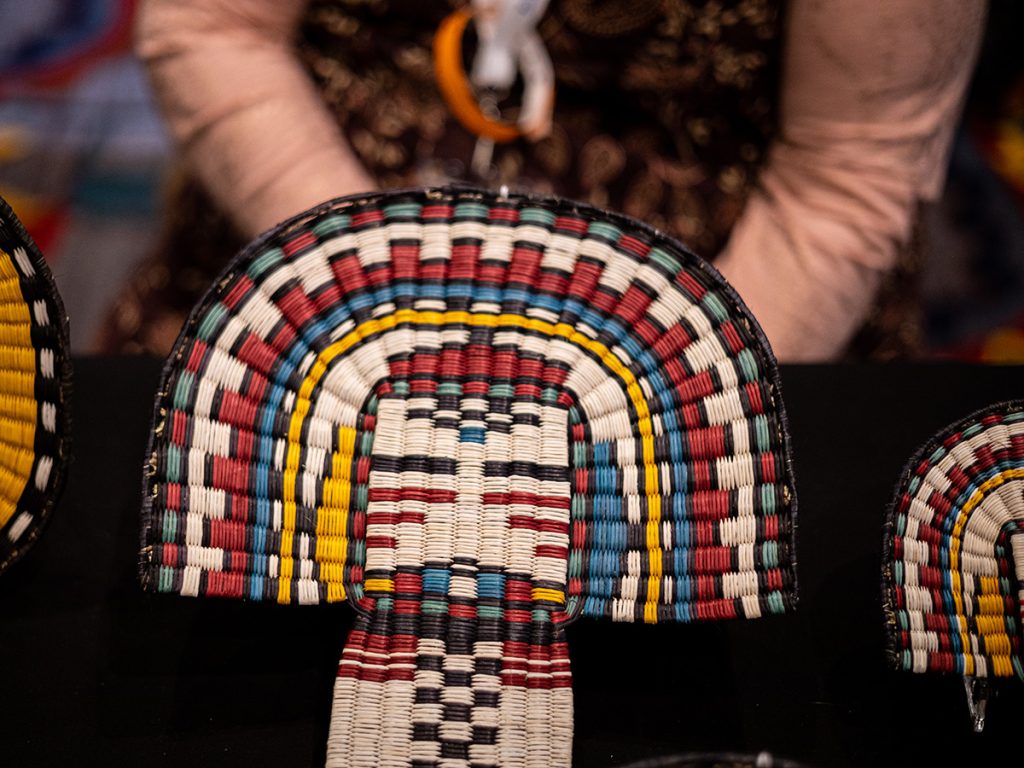
The Santa Fe Indian Market takes place on and around the historic central plaza in Santa Fe. More than 1,000 Native artists from more than 100 tribal communities in the United States and Canada attend the event, showing their latest work and competing for awards in a judged art competition.
Among the federally recognized tribes that have exhibited at the market are communities from the Pueblos, Plains and Southwest. Hopi, Acoma Pueblo, San Ildefonso Pueblo, Assiniboine, Sioux, Cheyenne, Kiowa, Caddo, Navajo, Zuni, Jicarilla Apache, Choctaw, Chemehuevi, Ingali Athabascan and Passamaquoddy are among the tribes represented at past markets.
Market Happenings
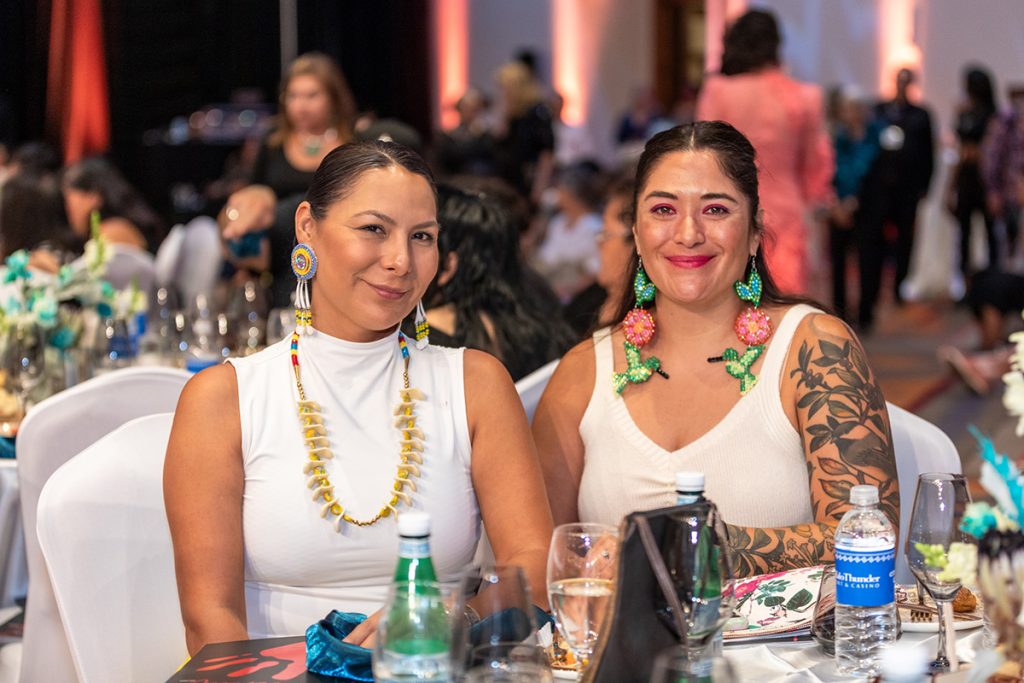
The event begins the Friday before market weekend with a Best of Show awards ceremony, where winning artists are announced. One of the classification winners is selected and awarded the grand prize, which is the Best in Show for Indian Market. This is the most highly revered award in the Native art world.
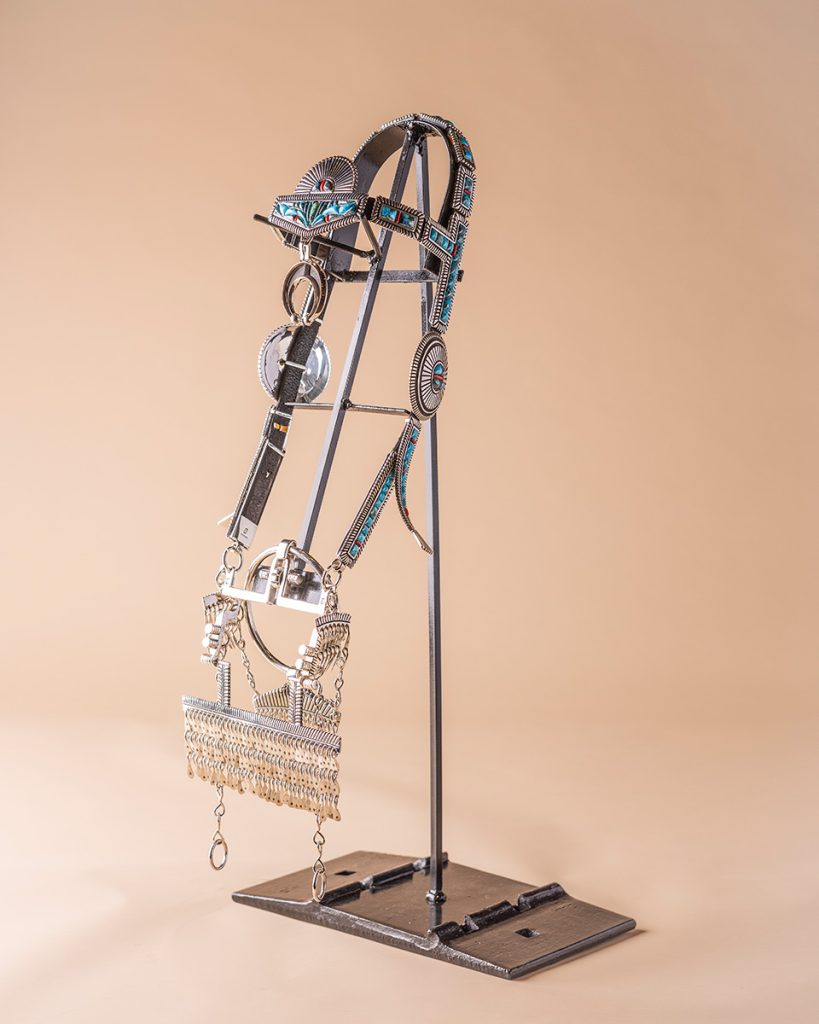
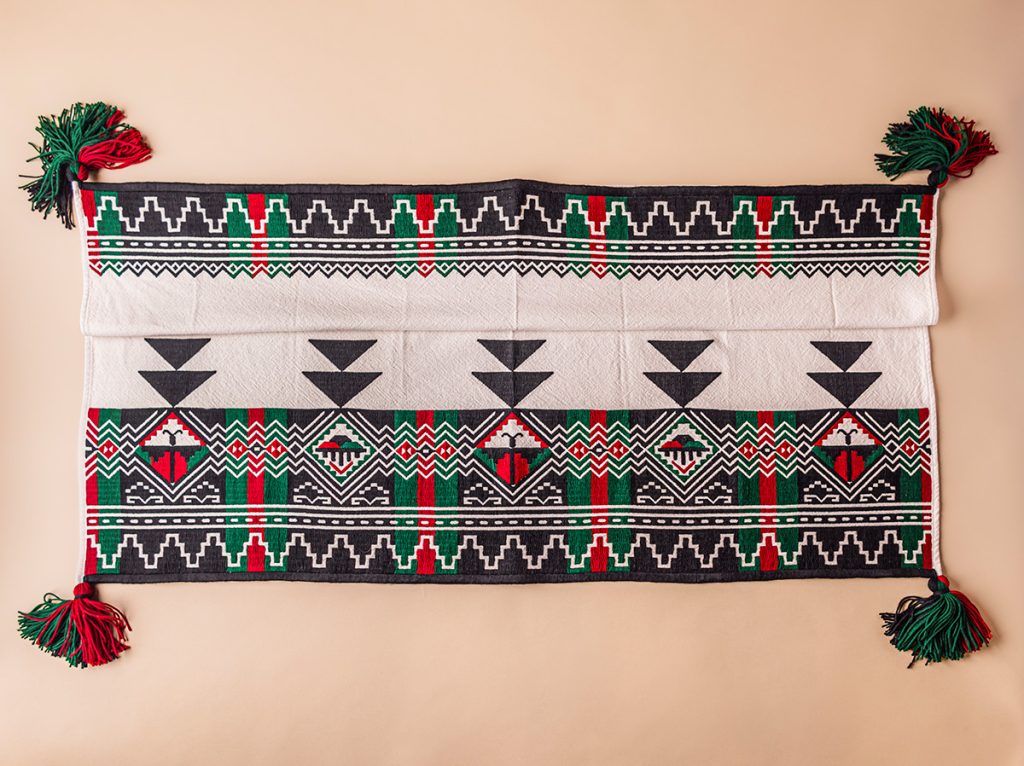
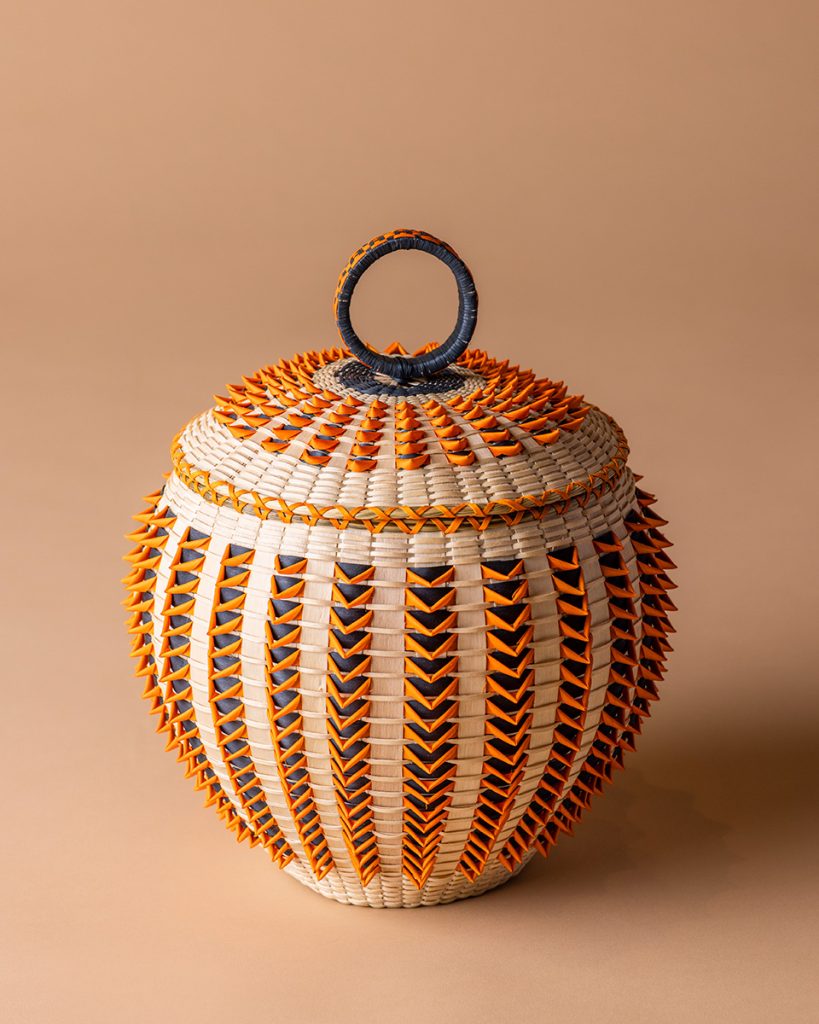
In order to exhibit and sell pieces at the Santa Fe Indian Market, exhibitors must have their work evaluated by three jurors in each category: Jewelry; Pottery; Two-Dimensional Art (painting, drawing, graphics); Pueblo Wooden Carvings; Sculpture; Textiles; Diverse Art Forms; Beadwork; Quillwork; Basketry; and Youth (17 and under). Jurors are experts in the classification they are jurying. They determine whether an artist can participate in the market by reviewing the artists’ applications and supplied images of their work. The jurists then apply a total of 100 points in the criteria areas of Technical Execution, Concept/Design/Creativity, Aesthetics, and Indian Market Standards.
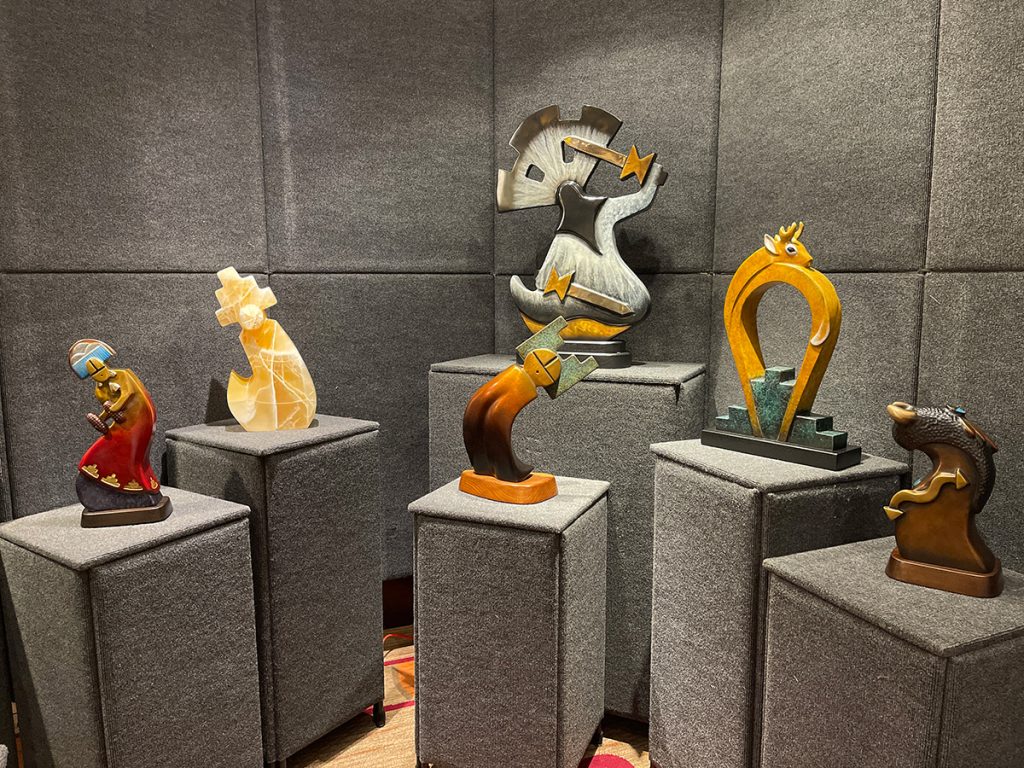
In some classifications, the sheer number of applicants and the diversity of the artwork warrants a different jurying pool strategy, according to Schulze. In cases where there are a large number of entries in one category, the work may be juried in different divisions. For example, jewelers who work primarily in stones and shells may have to be juried separately from the rest of the jewelry; sculptors who work primarily in fetishes and miniature sculptures may be juried separately from the rest of sculpture.
In addition to the artwork exhibited and sold at the event, traditional and contemporary Native dancing is part of the Indian Market experience. The Eagle Dance, Hoop Dance, and other tribal dances featuring traditional regalia are performed by Native artists on the Santa Fe Plaza Stage, the Cathedral Park Stage, and other areas around the market.
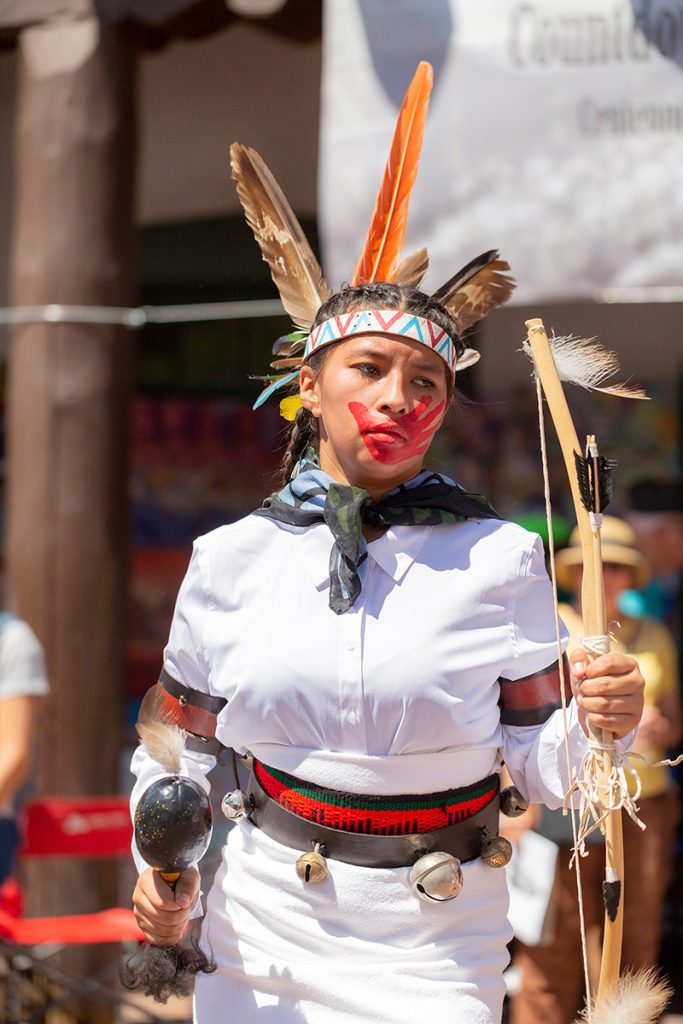
The Indian Market is the catalyst for other cultural events held throughout Santa Fe during the weekend, including museum and art gallery openings, a Native American film festival, a Native fashion show, dancing and other shows and auctions.
Building Connections
For some Native artists, the Santa Fe Indian Market is so successful, it is the only time during the year that they need to sell their work. For many, it is a time to connect with other Native artists.
“My connections to SWAIA have greatly influenced my career and my work,” says Greyshoes, who served as a Chairman of the Board of Directors for the SWAIA from 2002 to 2003.
“I have established many new friends and collectors,” he says. “My connection to SWAIA as an artist and a former Board of Directors Chair has opened up many opportunities to contribute to other shows and exhibits—as a judge, as a presenter, and as a mentor.”
Greyshoes adds that the importance of the Santa Fe Indian Market is manyfold.
“The city of Santa Fe and the state of New Mexico benefit in terms of the millions of dollars brought in during the week,” he says. “In addition, the reputation of Santa Fe as a destination art and cultural mecca is enhanced.”
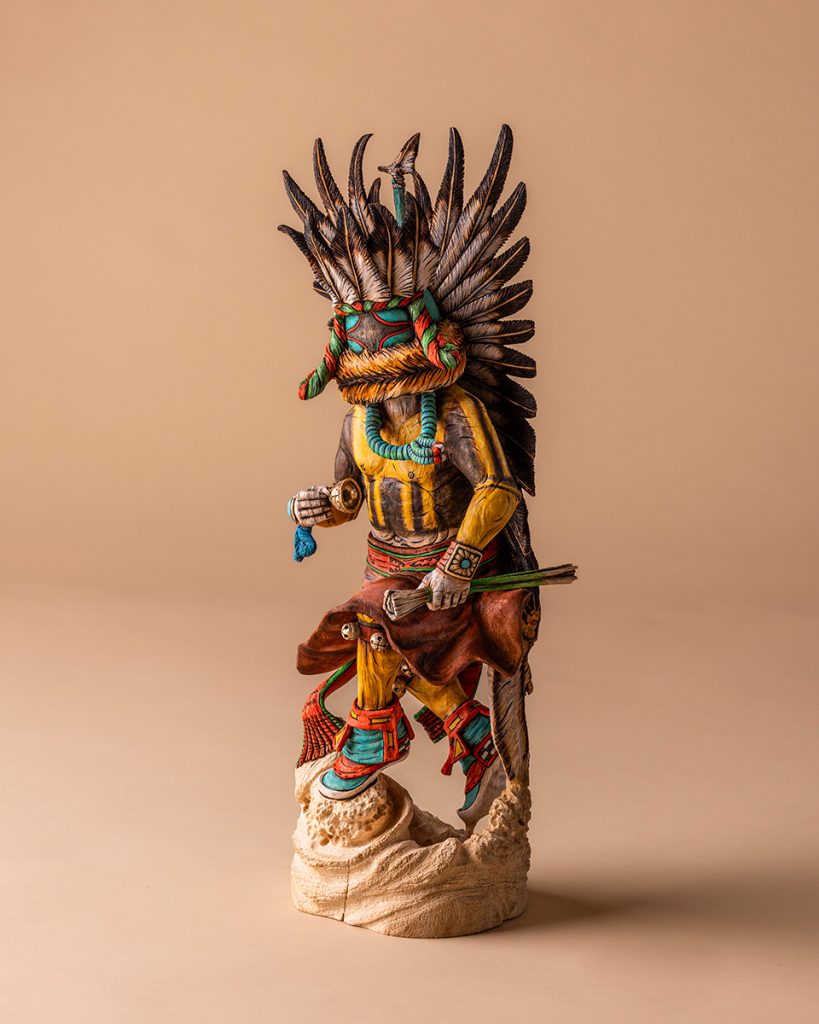
He notes that the market also provides opportunities for reunion among artists, economic benefits for Native people.
“An important aspect that is not usually recognized is the amount of sales and trades that occur among the artist themselves,” he adds. “‘Good trade’ is heard throughout the weekend, with a laugh and a handshake, artist to artist, tribe to tribe.”
The 2026 Santa Fe Indian Market will be held August 15-16. For details on artists and events, visit the Southwestern Association for Indian Arts website at swaia.org.
This article about the Santa Fe Indian Market appeared in the April 2025 issue of Western Life Today magazine. Click here to subscribe!