

In the iconic cowboy towns of Elko and Winnemucca, Nev., local businessmen, ranchers, miners and tourists alike belly up to the bar at the Star and Martin hotels each day for rounds of drinks, socializing and maybe a hearty multi-course Basque meal. Whiskey and beer would be logical libations for this crowd, but at these Nevada watering holes the drink most often ordered is a Picon Punch, casually referred to as a “Picon” (pronounced pee-con).
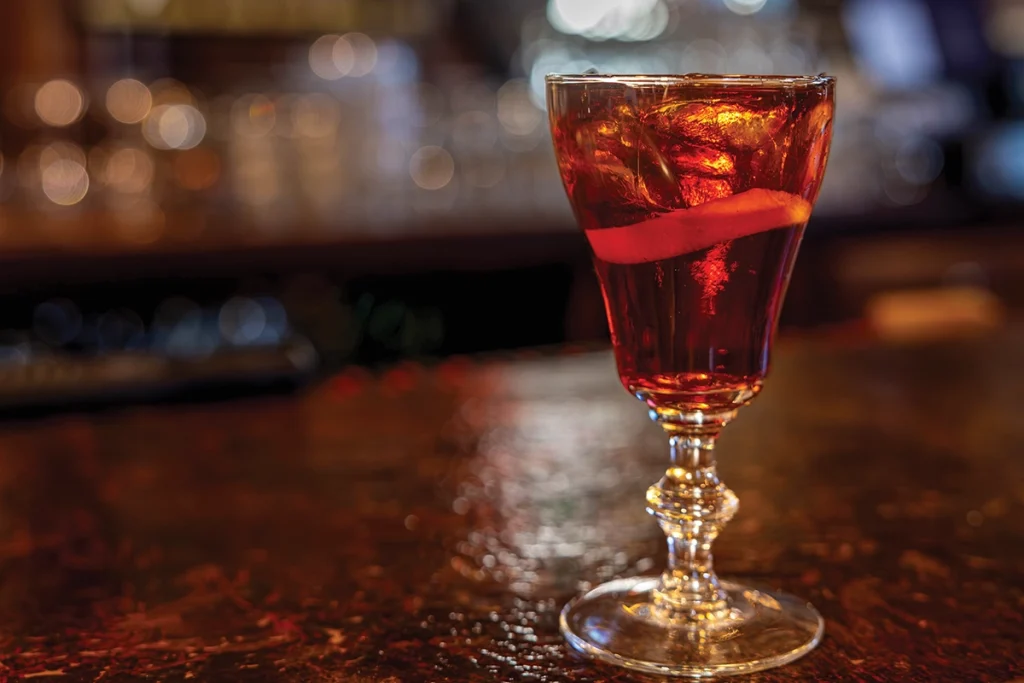
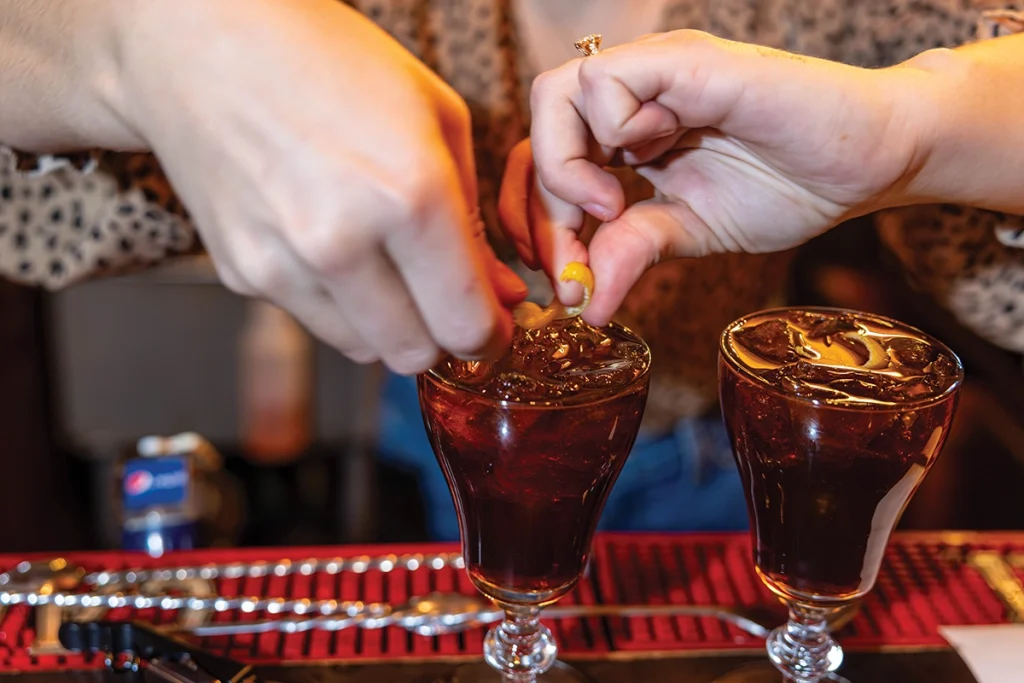
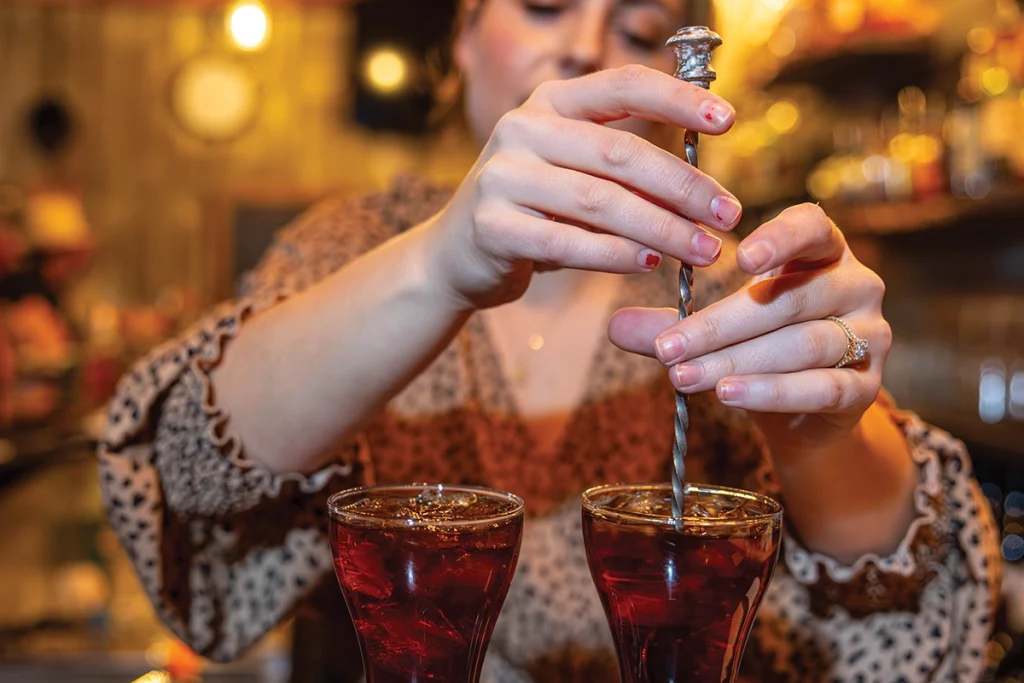
Served on the rocks, usually in a 6-ounce stemmed Georgian Irish coffee glass, this refreshing beverage starts with a splash of grenadine, followed by Torani Amer (or a similar bitter orange liqueur), a spritz of soda, a float of brandy and finished with a twist of lemon rind rubbed around the rim and placed in the glass. The cocktail is stirred directly in the glass rather than shaken and poured. However, as with most cocktails, variations in mixology abound. For example, the Star Hotel in Elko has long-forgone soda, making their version slightly stronger. Owner Scotty Ygoa says customers sometimes request whiskey, amaretto or tequila floats rather than brandy. At The Martin Hotel in Winnemucca, bartenders stir the cocktail 13 times clockwise.
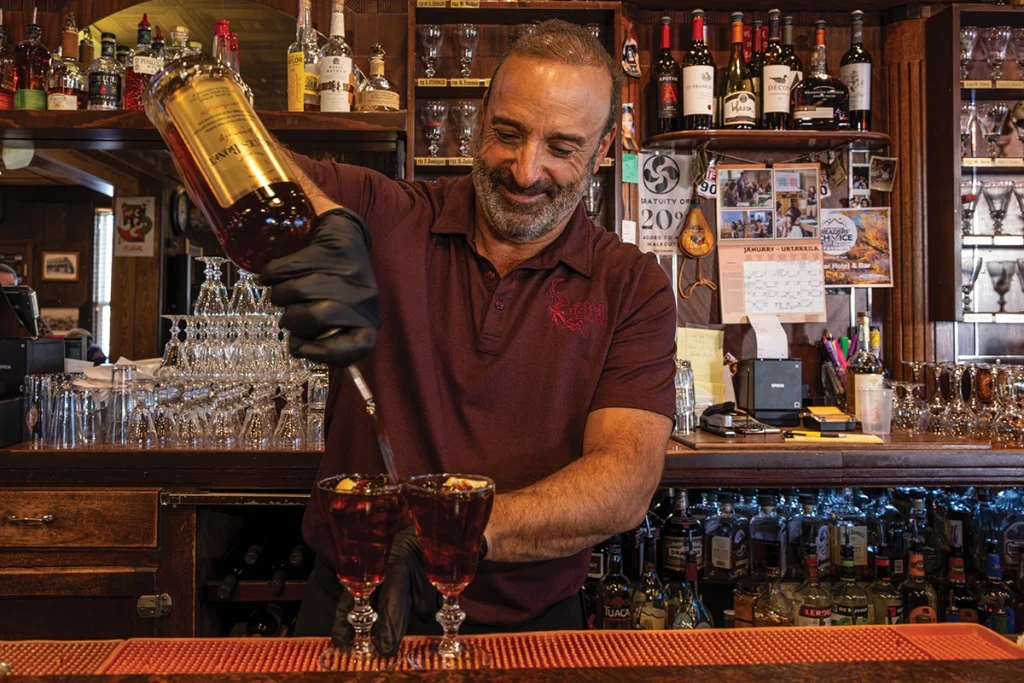
“That started only 20 years ago when I bought the Martin, and one of our Basque customers told me that’s how he preferred it,” says John Arant, former owner of the hotel, which opened in 1878. “For a while, I had a Martin Hotel restaurant in Carson City, Nevada, and the general manager of the hotel visited me, and he said the reason you stir it is to [release] the aroma of the liquor, and the aroma is part of the experience.”
No matter where a Picon is served, it affects each person differently and comes with a warning shared by the initiated: one is not enough, and three is too many.
“We always say, two are the Picon, and the third is the punch. Be very careful; they can be very potent,” noted Lorraine Erreguible in a 2012 interview with Imanol Murua for the Prater Way History Project. She and her husband, Louis, owned and operated Louis’ Basque Corner in Reno, Nev., from 1967 until 2011.
An Elusive Past
Opinions differ on where the first Picon Punch was served, but according to Ygoa, it’s not native to the Basque Country, a region between France and Spain. Of Basque descent, Ygoa is the 11th owner of the Star, which opened in 1910 as a Basque boarding house. Though the hotel is no longer available, the Basque restaurant and bar are considered a destination and frequented by locals. Ygoa’s father, Alfonso Ygoa, was raised in the “Old Country” and came to Elko when he was 19 to work on a sheep ranch. Today, the senior Ygoa and other old-time Basque men regularly meet at the Star for drinks and to reminisce and play cards.
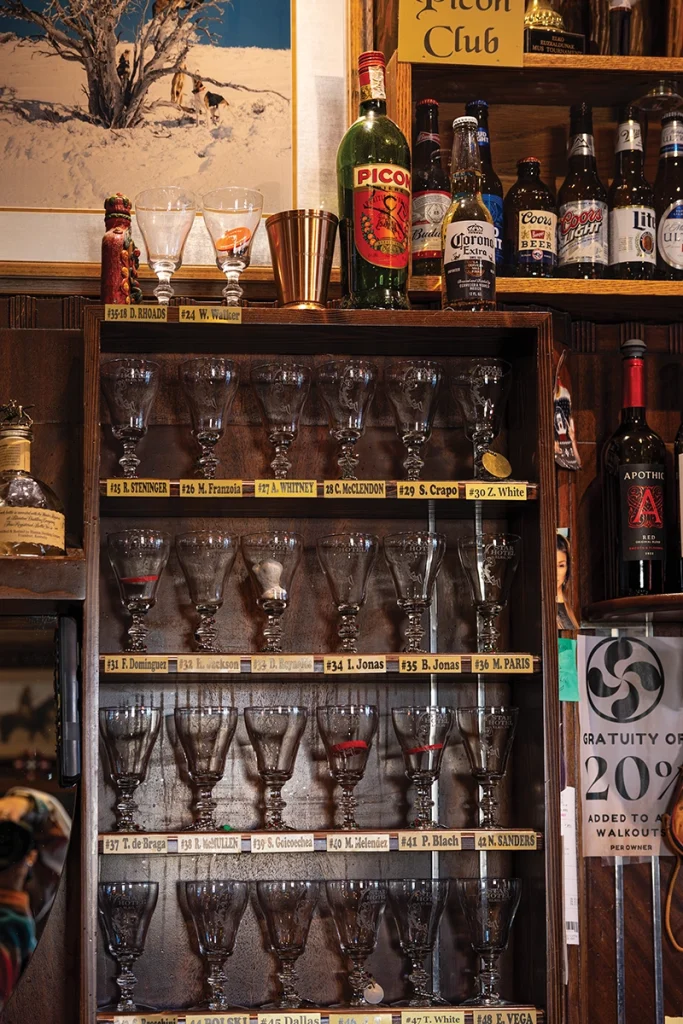
Some claim the cocktail originated in San Francisco, while others credit the Noriega Hotel in Bakersfield, Calif.
“The first Picon served in the United States, to my knowledge, was at Noriega’s, and it spread to the other Basque hotels,” claims Arant.
The origin of the main ingredient, Amer Picon, a French bitter liqueur that gives the cocktail its complexity and potency, is more certain. Gaétan Picon created the concoction in 1837 as a malaria remedy while serving in the French Foreign Legion in Algeria. Picon’s bitter tonic included quinine, bark, roots, herbs, and orange. The formula’s palatability was enhanced over the years, and the elixir became a popular apéritif in France, Spain and the Basque Country.
As the Basque immigrated to the United States in the mid-19th and early 20th centuries, so did the drink. The Basque settled primarily in northern Nevada, southern Idaho and parts of California, including San Francisco and Bakersfield. Primarily sheepherders, they stayed in boarding houses until they were sent to tend their flocks on high-desert ranges.
The Picon Punch has become synonymous with Basque culture. It continues to generate interest among modern mixologists and curious cocktail connoisseurs not only for its complexity but also for its legacy. However, since around 2000, Amer Picon has not been distributed in the United States because it contains calamus root, which is not FDA-approved. Bartenders have turned to domestic versions such as Torani Amer. The Depot Brewery & Distillery in Reno, Nev., makes and sells its own brand, Amer Depot.
Taste of Western Legacy
The Picon Punch is meant to be sipped before a meal to stimulate appetite, but it can be enjoyed all day. The aroma is citrusy with bitter orange peel and bright lemon notes, but preparing a person’s palate is hard. The first swig goes down warm, even burning, and that’s enough for some. But those who persevere find that subsequent sips flow much more smoothly—sometimes too smoothly—with pops of sweet grenadine, orange bitters, light citrus, and an herbal or medicinal finish.
“The second one always tastes better than the first,” notes Darion Iturriaga, a former bartender at Ormachea’s Dinner House in Winnemucca, Nev., who grew up in a traditional Basque family in northern Nevada. “Almost everyone who comes in has at least one. You have people who down it like a shot at its strongest point, and others like to let the ice melt a little to mellow it out. You might not like it immediately, but give it a chance and it’ll grow on you.”
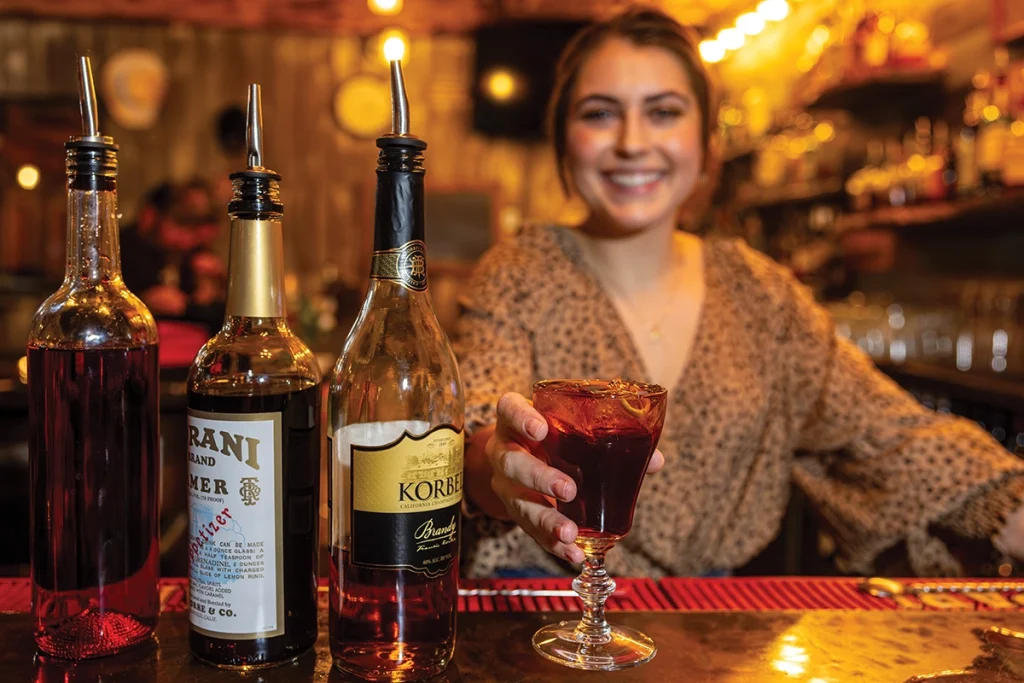
The Picon symbolizes the diverse heritage of the West, blending Basque, cowboy and camaraderie. It’s no wonder politicians have proposed legislation making it the official state drink of Nevada, and the Facebook group Drinkers of the American West has more than 4,000 followers. Mark Maynard, an English professor at Truckee Meadows Community College in Reno, Nev., and student documentarians from the University of Nevada, Reno, created an award-winning short film on the drink that premiered in 2021. He summarized the Picon’s influence best in Edible Reno-Tahoe magazine.
“The story of the Picon Punch is the story of Nevada,” Maynard explained. “It is a story of immigration, of ranching, of wild, untamed, lonely places and the people who thrive there. It is Nevada’s Basque history, its rural heartbeat, and its cosmopolitan 24-hour culture, all blended together and poured over ice into a distinctive glass.”
Picon Punch, Please
Most cocktail menus don’t include the Picon Punch, and you’ll be hard-pressed to find a bartender who knows about it and how to make one. However, in pockets of California, Idaho, and Nevada, the drink is a tradition, and several highly recommended Basque-American bars and restaurants serve it. Each has its own take on the cocktail, but the experience packs the same punch.
◆ The Depot Craft Brewery & Distillery, Reno, Nev.
◆ Heyday Inn, Wellington, Nev.
◆ Galetti’s Coney Island Bar, Sparks, Nev.
◆ J.T Basque Bar & Dining Room, Gardnerville, Nev.
◆ Louis’ Basque Corner, Reno, Nev.
◆ The Martin Hotel, Winnemucca, Nev.
◆ Noriega’s, Bakersfield, Calif.
◆ Ormachea’s Dinner House, Winnemucca, Nev.
◆ Overland Restaurant & Pub, Garnerville, Nev.
◆ Star Hotel, Elko, Nev.
◆ Wool Growers Restaurant, Bakersfield, Calif.
Picon Punch Recipe
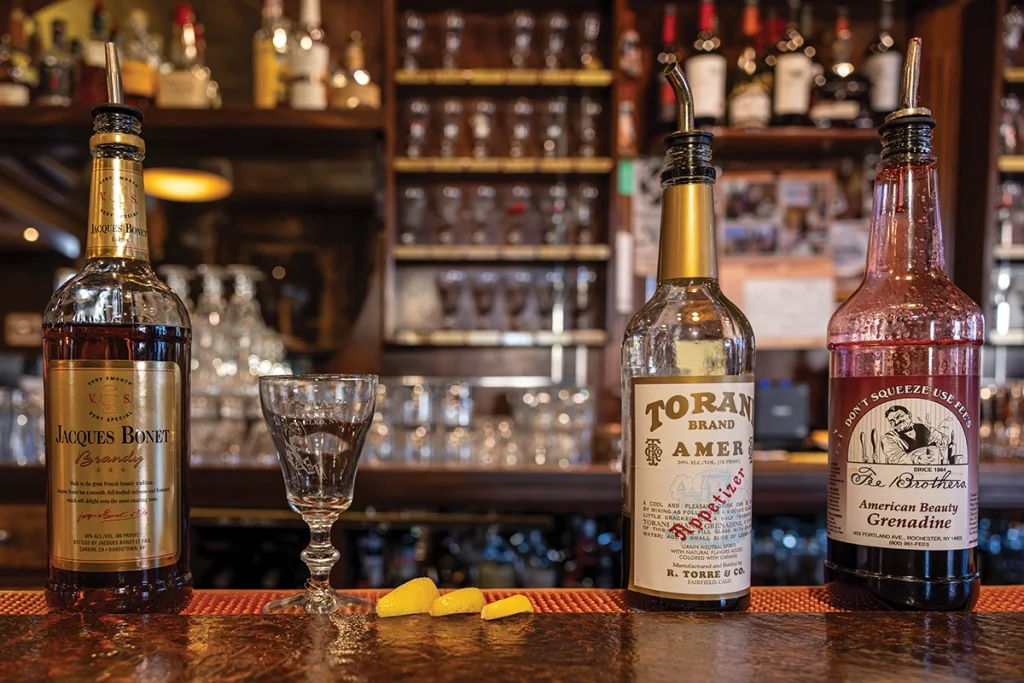
Picon Punch lovers have their favorite formulas for the drink. Here is a basic recipe that can be modified to taste.
1. Fill a highball or Georgian Irish coffee glass with ice
2. Drizzle ¼ ounce of grenadine (more for a sweeter drink) into the glass
3. Pour 1 to 1½ ounces of Torani Amer (or other bitter orange liqueur)
4. Add a splash of soda and stir
5. Top with a half-ounce float of brandy
6. Rub a piece of lemon rind around the rim of the glass, twist it to release the citrus oil and garnish. Salud!
This article about the Picon Punch appeared in the Summer 2025 issue of Western Life Today magazine. Click here to subscribe!