

Few horses are as versatile, dependable and well-rounded as those raised and trained on working ranches. For riders of all disciplines, buying a horse from ranch production sales offers a unique opportunity to own a horse with proven genetics that has been raised with purpose, integrity and heritage.
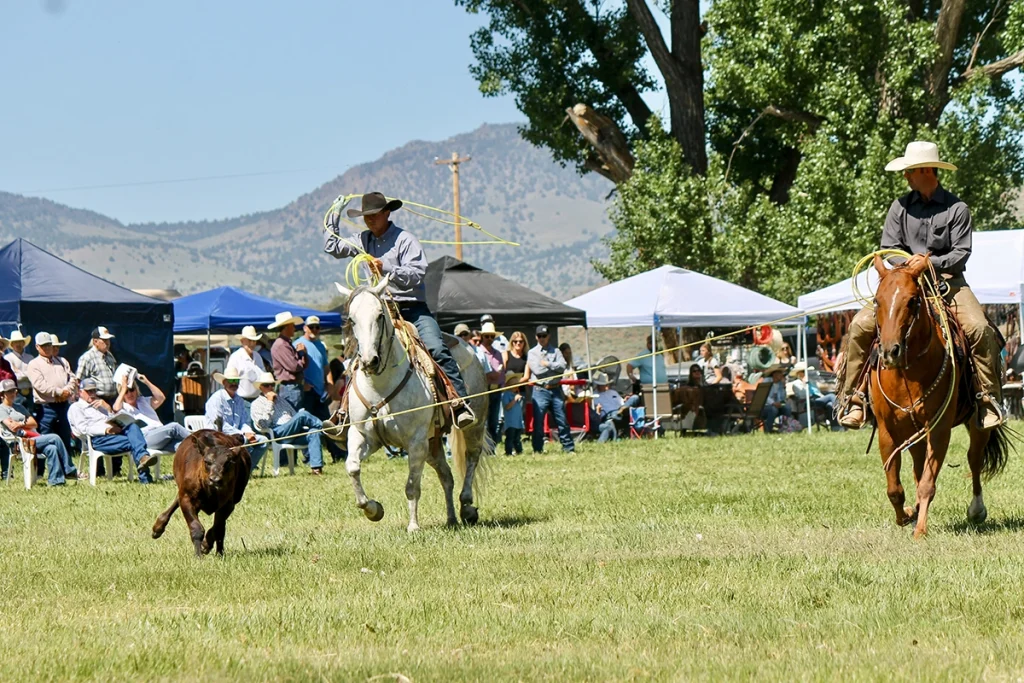
Ranch production sales are hosted by a ranch or group of ranches that breed, raise and train their own horses. The sales showcase a ranch’s horse program, often developed through generations of selective breeding. Trained by experienced cowboys, the horses are shaped by their environment and the job they are given. This practical foundation makes them suitable for competitors, ranchers, and recreational riders alike.
Here we’ll talk to four ranch production sale producers, who share some of the benefits of buying ranch horses for any discipline, as well as how to prepare for a purchase. We compiled a list of upcoming production sales to help you start horse shopping.
Historic Brand and Bloodlines
Ranches with longstanding breeding programs have spent decades crossing different mare and stallion bloodlines to produce offspring with superior traits for specific disciplines. When you buy a horse from a ranch production sale, you invest in not only that horse, but also the ranch’s heritage.
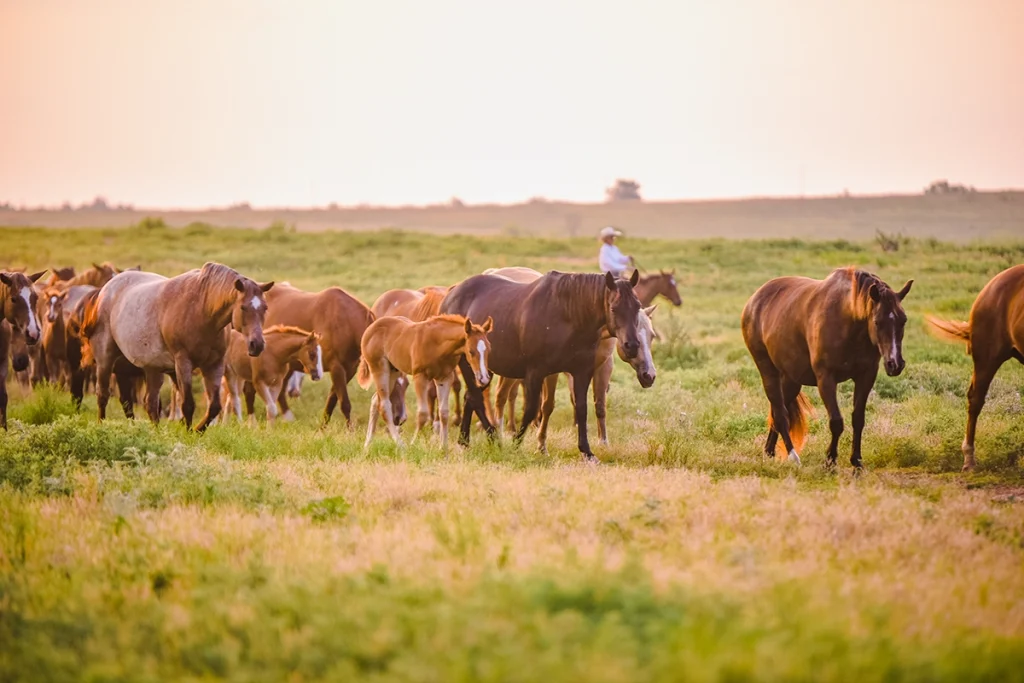
“What makes ranch production sales so great is that you know the horse’s history, and you’re buying something that has years of development behind it,” says Terry Stuart Forst, fifth-generation general manager of the Stuart Ranch, based in Waurika, Okla. In August, the ranch will host its fourth annual online Quarter Horse Sale, featuring yearling incentive-nominated prospects from the family’s proven program, which has produced top roping and cow horses.
“It’s been my mission in life to build a generational mare band, and I believe we have one of the best overall sets of mares that we’ve had, but we’ve been selective,” says Stuart Forst. “My philosophy on breeding is I don’t want to breed a horse if I wouldn’t be willing to put its daughter back in the broodmare band. Most of the yearlings we sell are sixth- or seventh-generation offspring on this ranch. We’ve ridden their mothers, grandmothers and siblings. We have a history with these horses.”
Rick Kieckhefer and his wife, Sarah, own the K4 Ranch and Cholla Livestock LLC. For the past decade, they’ve hosted the annual Legacy Ranch Horse Sale in Prescott, Ariz. The event features a selection of horses from their family’s longstanding ranch horse program and the historic Diamond A Cattle Company. They offer a diverse selection of horses, ranging from yearlings to aged horses and breeding stock.
“It’s not just that horse you’re buying,” says Kieckhefer. “It’s that horse’s sire and dam—generations of horses that went into creating the one you’re interested in.”
The 27th annual Return to the Remuda Horse Sale this September at the Four Sixes Ranch in Guthrie, Texas, includes horses from six ranches: Beggs Cattle Company, Four Sixes Ranch, King Ranch, Pitchfork Land & Cattle Co., Tongue River Ranch, and Wagonhound Land & Livestock Co. (plus Circle Bar Ranch every three years). Nathan Canaday, DVM, manages the Four Sixes’ horse division and sale. He says that when someone buys a horse from a legacy ranch such as the Four Sixes and King Ranch, they’re purchasing more than 100 years of heritage that have built that breeding program and the ranch’s brand.
Exposure and Experience
Horses sold at a production sale are typically started by skilled horsemen and ranch cowboys who use them for daily cattle work. The horses become well-rounded and broke for a variety of disciplines.
“The beautiful thing about ranch horses is that they’ve been exposed to everything and ridden many miles,” says Canaday. “Our sale horses come from the cowboys’ strings. They’ve been used for gathering, sorting and doctoring cattle. We also have cowboys who gather and move horses, and that’s something a lot of horses can’t do.”
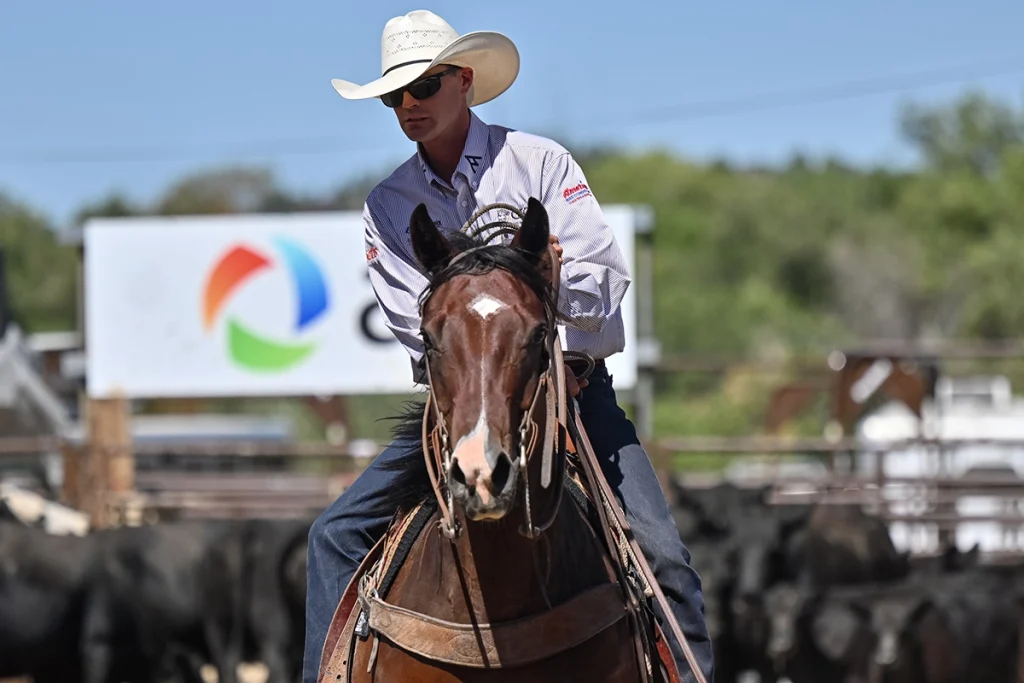
Besides performing various jobs on a ranch, the horses learn to navigate different terrain from the time they are foals, which helps make them safe horses for ranch work and trail riding.
“Ranch horses are exposed to various jobs, terrain and wildlife,” says Kieckhefer. “The horses become sure-footed and more aware of their surroundings than horses that haven’t been used on a ranch. They’ve also been regularly trailered and learn to load easily and stand tied to the trailer for long periods.”
The Ranchers Horse Sale, held annually on the first Saturday in June in Juntura, Ore., offers around 30 ranch horses, most 5 to 12 years old, from the Bentz family’s Spur Brand Horses and invited consignors.
“We have a lot of team ropers who come to buy prospects because the horses have done a lot of ranch work and they aren’t buddy sour or hot in the box,” says Ethan Bentz, whose family has produced the sale for 33 years. “Most buyers now are trail riders who want ranch horses because they’re broke, have seen a lot of things, and won’t spook.”
Trust and Transparency
Before buying a horse, it’s essential to find a seller you can trust. Ranches with a long history of production sales have reputations for honesty and integrity, and they stand behind the horses they sell.
Most production-sale producers provide radiographs of the sale horses online. Additionally, veterinarians at the sale perform vet checks or answer questions. If a horse develops an issue, it’s either disclosed or the horse is scratched from the sale. Once a horse is purchased and taken to his new home, it’s challenging to address problems. However, depending on the situation, most ranches will work with buyers to resolve any issues, sometimes refunding their money or finding a suitable replacement horse.
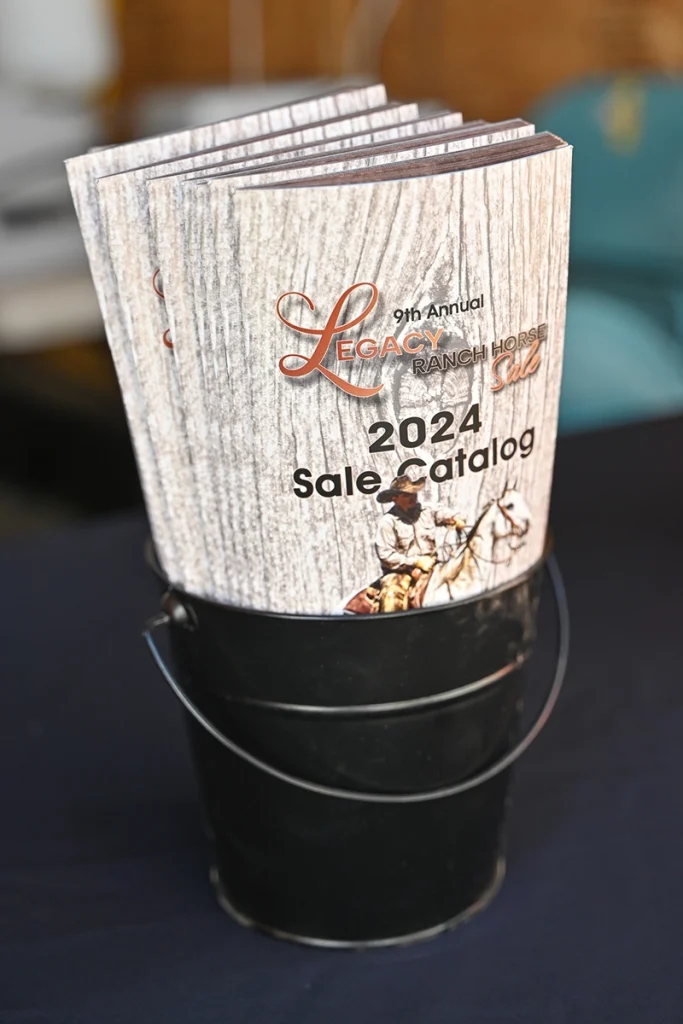
While producers have a duty to inform buyers about their horses honestly, buyers also need to do their homework before the sale. It starts with studying the sale catalog, honestly assessing their riding skills, and figuring out what they want to do with a horse.
“I recommend that the buyer take a hard look at themselves and be realistic about their budget, skills, and goals for a horse,” advises Canaday.
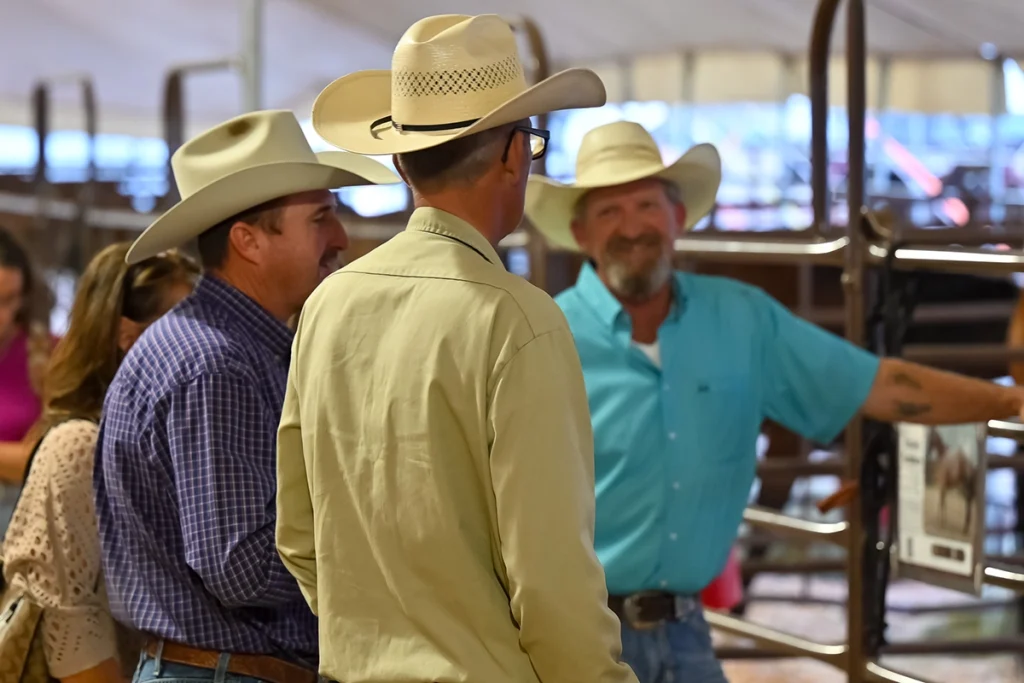
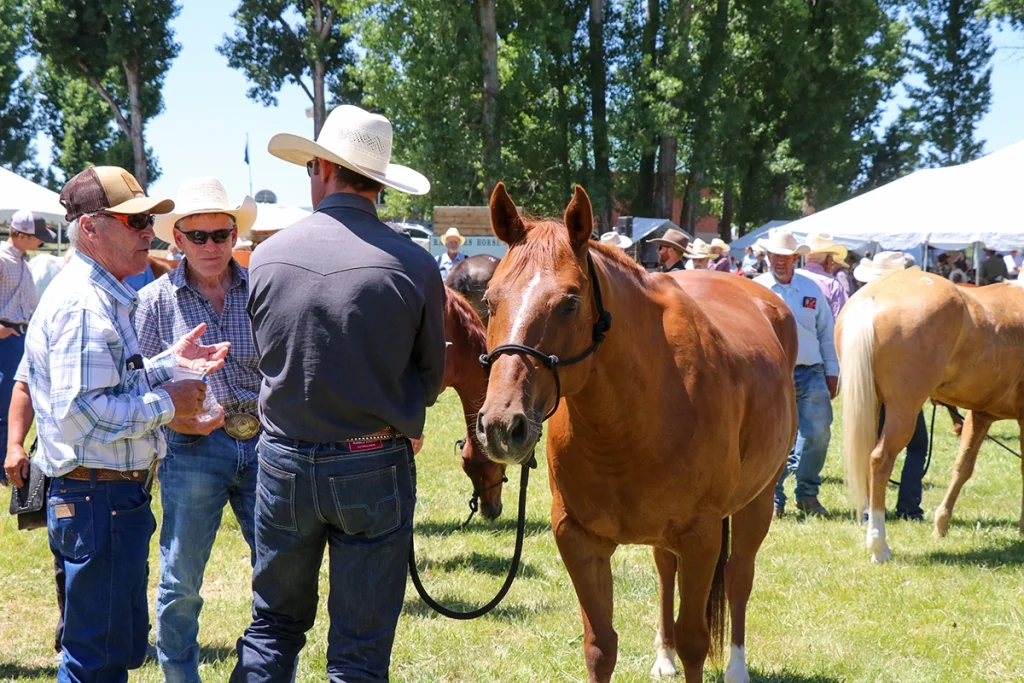
Producers want to meet their customers so they can help pair them with a horse that fits their experience and goals. Sale previews give buyers time to talk with the sellers, veterinarians, and cowboys who trained the horses.
“I encourage people to attend the sale in person so they have an opportunity to build relationships with the owners and cowboys and ask questions about the horses,” says Canaday. “You can learn about not only their bloodlines but also their behavior, condition, conformation—the whole package.”
The Legacy Ranch Horse Sale and Ranchers Horse Sale also offer previews on sale day. Horses are showcased in various events, including dry work patterns, trail courses, team roping, and branding. The cowboys and owners are available to answer questions about the horses, and both ranches invite people to come ride the horses a few weeks before the sale.
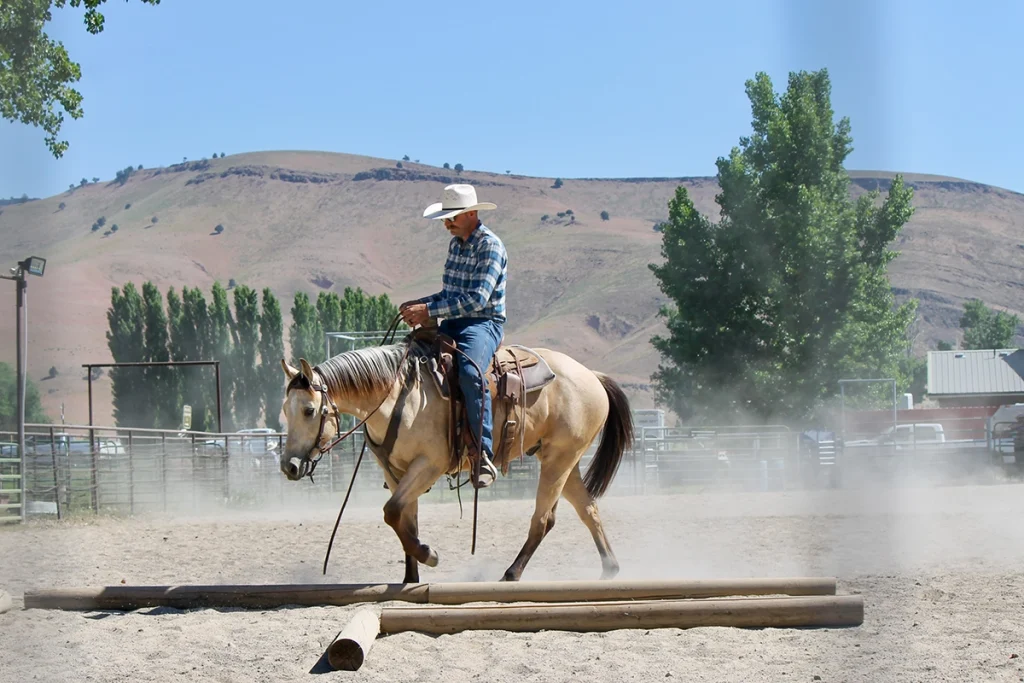
“We try to be very open and accessible to people,” says Keickhefer. “We encourage them to study the catalog, and if they find a horse they’re interested in, call us and ask questions or come to the ranch to ride the horse. That way, we can help them find a horse that fits their riding level and interest. Sometimes, the horse somebody thinks they want and the horse they actually need are two different horses.”
Ranch Production Sale Calendar
Shopping for a new horse can be overwhelming, especially if you don’t know where to look. To start your search, we’ve compiled a list of upcoming ranch production sales.
Stuart Ranch Seven S Quarter Horses Online Sale
When: August 20-23, 2026
Where: Waurika, Okla. (online)
How: stuartranch.com
Pitzer Ranch Fall Sale
When: September 4-5, 2026
Where: Ericson, Neb.
How: pitzerranch.net
Diamond-McNabb Ranch Horses Online Fall Sale
When: September 14-16, 2026
Where: Douglas, Wyo. (online)
How: dmhorses.com
Legacy Ranch Horse Sale
When: September 19, 2026
Where: Prescott, Ariz.
How: ranchhorsesale.com
Open Box Rafter Ranch Production Horse Sale
When: September 12, 2026
Where: Rapid City, S.D.
How: rafterranch.com
Van Norman and Friends Production Sale
When: September 18-19, 2026
Where: Elko, Nev.
How: vannormansale.com
Return to the Remuda Sale
When: September 25-26, 2026
Where: Guthrie, Texas
How: 6666ranch.com
This article about ranch production sales appeared in the August 2025 issue of Western Life Today magazine. Click here to subscribe!